Android Q devices will get over-the-air security updates — but there’s a catch

Devices shipping with Android Q will receive over-the-air security patches without having to go through device manufacturers.

A lack of steady security updates has been a major pain point for Android users over the years. Google finally has a fix for the problem. At its annual developer conference Tuesday, the tech giant said it’ll bypass mobile makers and push security updates directly to devices.

The benefit is that users won’t have to wait lengthy periods for device manufacturers to test and quality assure the patches for their devices for fixes to critical security vulnerabilities that put users at risk.

Security updates for Android Q will be focused on 14 modules crucial to the operating system’s functioning — including media codecs, which have long plagued the Android software with a steady stream of security flaws.

There’s a catch — two, in fact.

Devices updating to Android Q will not work with over-the-air security updates and some manufacturers can opt-out altogether, according to The Verge which first reported the news, rendering the feature effectively useless. The new feature will also not be backported to earlier versions of Android. Google hasn’t updated its Android software version distribution pages for some months. Given that based on the figures available, more than half of all Android users are still on Android 5.0 Lollipop and earlier, it could take years for Android Q to match the same usage share.

Still, Google has to start somewhere. Android Q is expected out later this year.

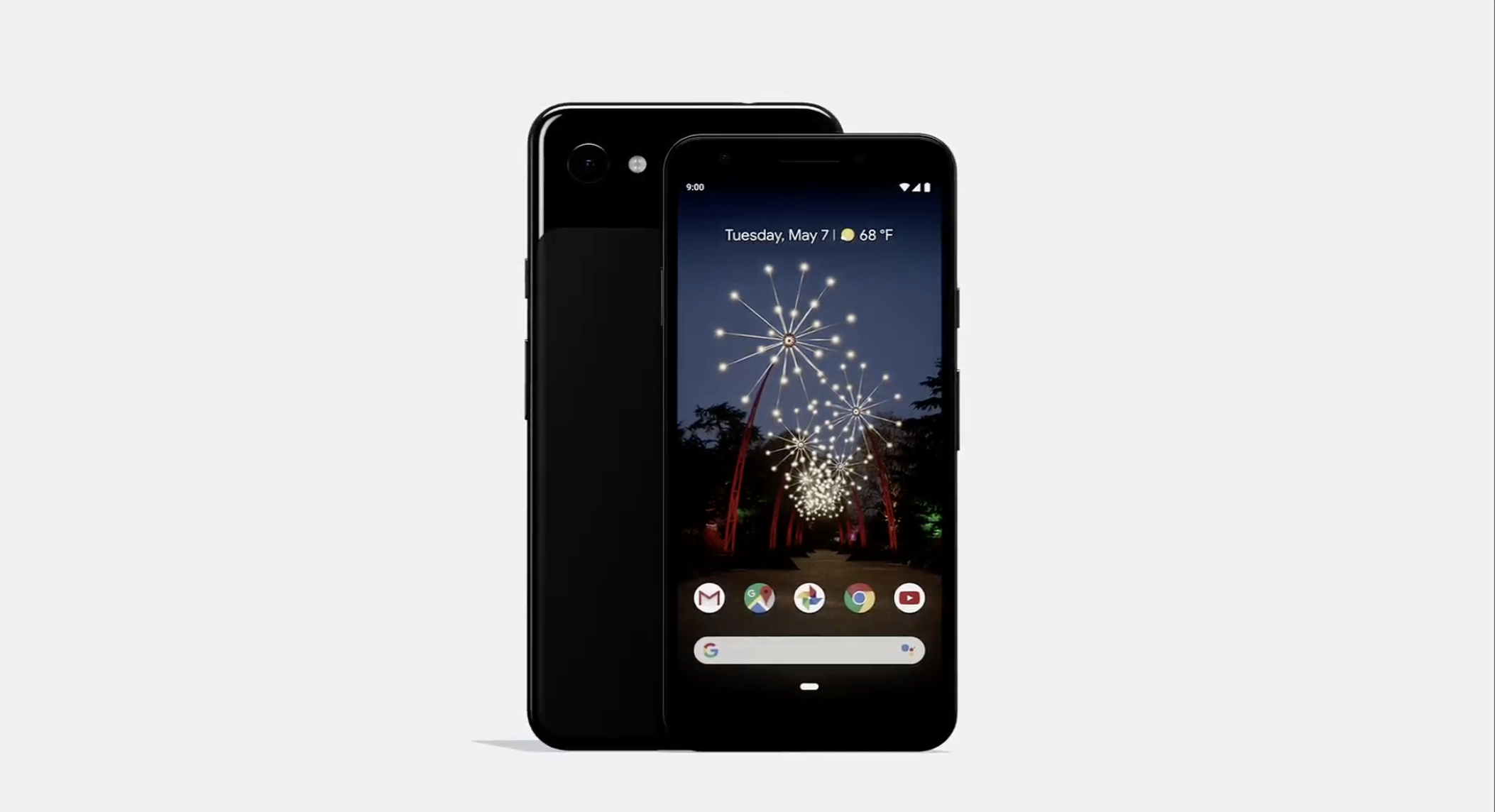
Google’s Pixel 3 and 3a are coming to more carriers, including Sprint and T-Mobile

If you’re going to go carrier exclusive, Verizon (disclosure: our parent company’s parent company) is probably about as good as any. Ultimately, however, exclusives invariably do more harm than good when it comes to growing your footprint.

That’s no doubt a key part of why Google had a rocky financial quarter when it came to the Pixel line. Exclusivity coupled with all the other headwinds currently facing the smartphone industry spelled bad news for the reliable line. Thankfully, however, that’s starting to change with today’s arrival of the Pixel 3a.

The budget handset, along with its flagship brethren, are about to be available on a lot more carriers. Google’s keeping Verizon around and adding T-Mobile, Sprint, US Cellular, Spectrum Mobile (Charter) and C Spire. The devices will be available online through those carriers starting today and will be hitting shelves tomorrow.

That means a heck of a lot a lot more retail display space and ad dollars will be pumped into the product, which should help give the new handset and its six-month-old predecessor a nice little bump ahead of Google’s Q2 reports.

AT&T is notably the odd one out here. While the devices will support the carrier, they won’t be available through its retail channels — not will they be available through contract. That certainly makes a difference here in the States where contracts are still king.

The headphone jack is back for the Google Pixel 3a

Hello old friend. I knew you would be back. I didn’t know how or when, but I knew we would be reunited again. It turns out all it would take was a cratering smartphone market to bring you back around.

Google, of course, famously stood its ground on the importance of the 3.5 mm for the first Pixel, only to drop it a generation later. Now that the company’s got a budget offering in the form of the Pixel 3a, it’s returned to the nurturing arms of the hardwired headphone.

The move makes financial sense. Hardware manufacturers have been a bit more hesitant to drop the technology of budget and mid-tier devices, due to the added cost of asking users to upgrade to either Bluetooth headphones USB-C models.

Curiously, however, the 3a won’t actually ship with its own headphones. According to Google, “Since Pixel 3a has compatibility with 3.5mm analog audio, USB-C digital audio and wireless Bluetooth 5.0, we feel like this gives users the flexibility to choose the headphones that are best suited to their individual needs. “

I mean, sure. But let’s be real, this like had a lot more to do with manufacturing margins on the devices. Given how cheap these sorts of default headphones likely are to produce, however, it would have been a nice gesture to toss them in for users.

Google’s budget Pixel 3a starts at $399, available in ‘purple-ish’

Last week’s earnings didn’t go the way Alphabet wanted. The fault primarily lies at the feet of the company’s ad business, but the hardware side didn’t come out great, either. Like the rest of the industry, Google’s been struggling to sell smartphones. Sundar Pichai cited “year over year headwinds” in reference to Pixel 3 sales figures.

He did, however, hint at good things to come. Selling the future is an important part of a CEO’s job, of course, but there are reasons to be hopeful. There are interesting innovations on the way, like 5G and foldables, and, in Google’s case, there are other things in the works. Pichai alluded to both a new Taipei R&D campus and, in the much shorter term, hardware announcements planned for Google I/O.

It was clear to all listening that the exec was referring to the Pixel 3a with the latter bit. Like the Pixel 3 before it, the phone had leaked out all over the place in the preceding months and weeks. By late last week, it was showing up at Best Buys in Ohio.

Like the aforementioned Taipei campus, the device is very much the product of Google’s massive investment in HTC’s R&D team. Tired of outsourcing design, the company simply went ahead and picked up an existing property. The deal made sense from Google’s perspective — HTC knows how to make phones, even if it’s forgotten how to actually sell them.
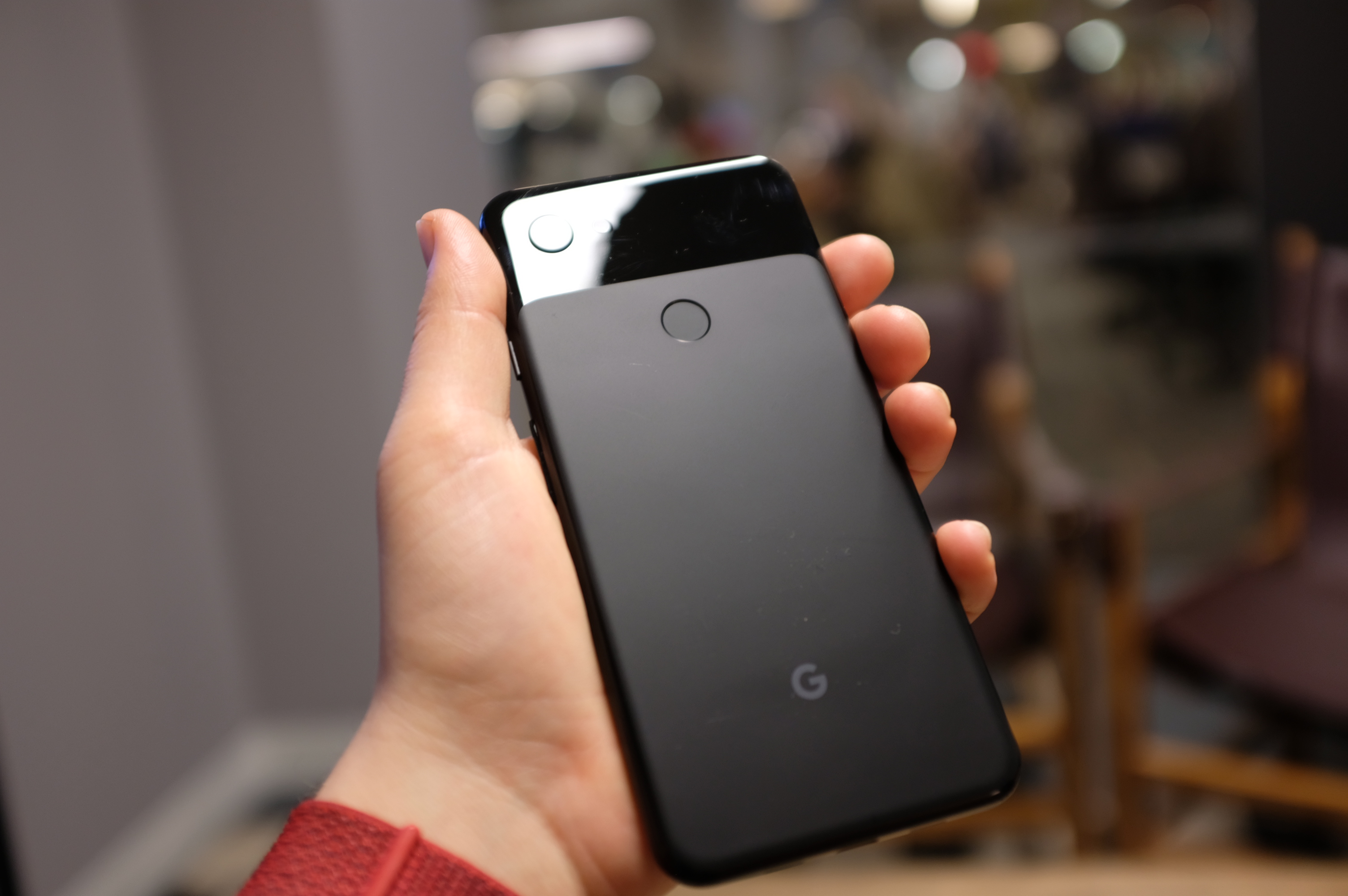
Another thing the Taipei team brought to the table was the ability to build a phone on a budget. It’s something that could ultimately prove a saving grace for the Pixel team as Google and the industry at large grapple with those “headwinds” of stagnant global economies and slowed upgrade cycles. What makes the 3a a particularly compelling product, however, is how it fits in with Google’s long-stated plan of innovating more on the software/AI/ML fronts.

From the sound of the company’s past rhetoric, hardware is becoming increasingly irrelevant to the topic of smartphone advances, and this $399 handset is a good place to prove that out.

“The smartphone market has started to flatten,” Google VP of Product Management Mario Queiroz told TechCrunch ahead of launch. “We think one of the reasons is because, you know, the premium segment of the market is a very large segment, but premium phones have gotten more and more expensive, you know, three, four years ago, you could buy a premium phone for $500.”
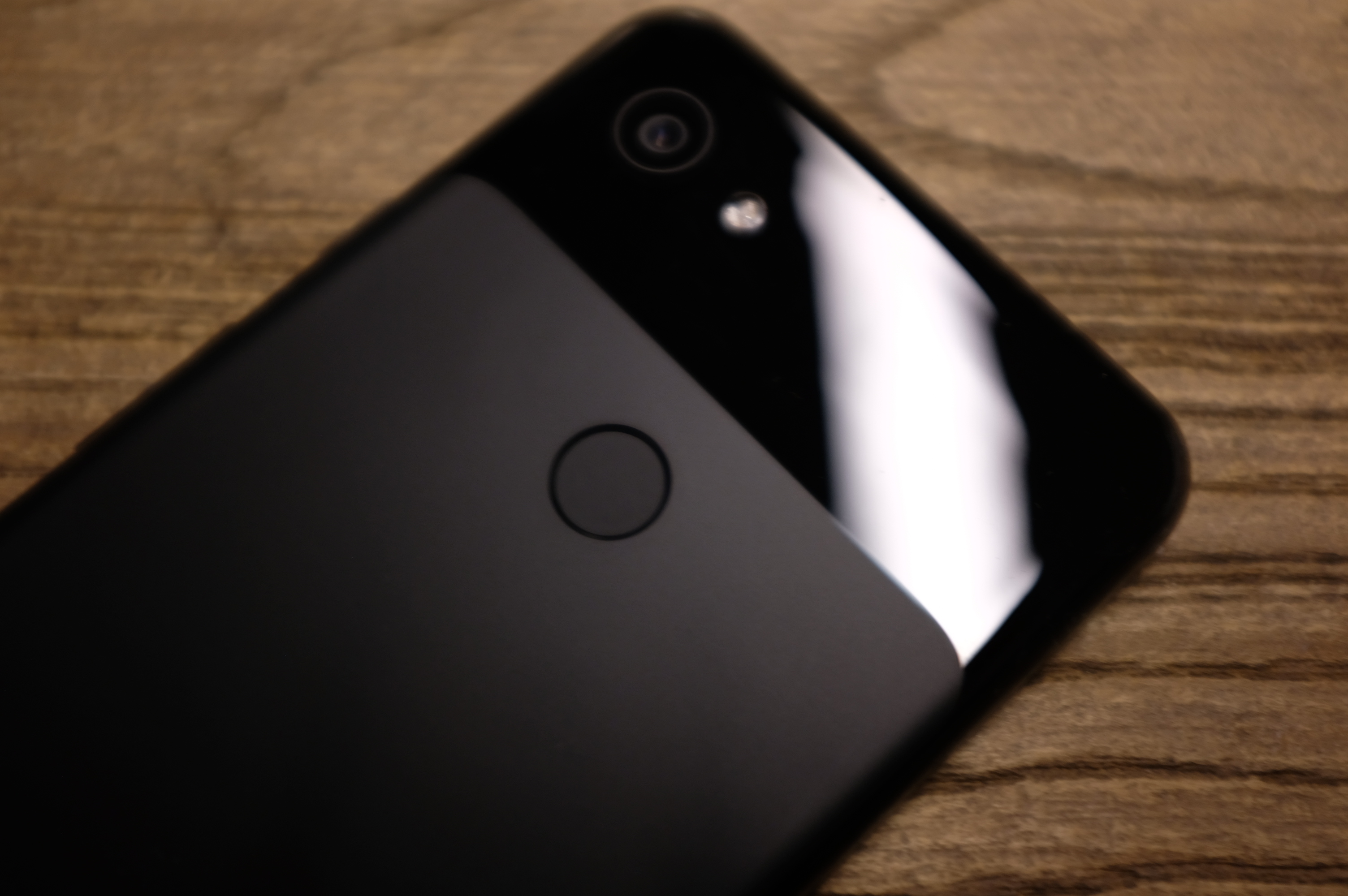
The Pixel 3a cuts some hardware corners, compared to its flagship brethren, but manages the feat of coming in at $399 for the standard version and $479 for the XL — those sport 5.6 and 6.0 OLEDs, respectively. The design looks remarkably similar to the Pixel 3, though the glass and metal materials have been swapped out for a cheaper polycarbonate unibody design.

The biggest change internally is the switch from last year’s cutting edge Snapdragon 845 to a much more middling 640. That won’t make a huge difference for most daily tasks, but you may well notice an impact on more resource-intensive tasks like gaming.

I’ve been using the XL for a couple of days now (albeit laid up in bed with the stomach flu for a few of them), and have found it to be a pretty reliable mid-tier device, coupled with some of the standard Pixel features like Active Edge — not to mention the shocking return of the headphone jack. I’ll report back when I’ve been able to play with it a bit longer, to see whether Google’s promise of hardware agnosticism can really excel here.

Google does seem to have a lot of hope riding on this one, along with what looks to be a shift to a half-year phone release cycle (flagship in fall, budget in spring). The company is competing with a lot of budget smartphone makers, including one-time subsidiary Motorola and countless manufacturers in China. The appeal of a cheaper Pixel is apparent, but this isn’t a device that screams excitement, Purple-ish color aside.

That said, Google finally opening the device to additional U.S. carriers beyond Verizon should certainly help. The 3a will be available online starting today, with in-store availability starting tomorrow.

Google renames Home Hub to the Nest Hub and releases a 10-inch Nest Hub Max

The Home Hub has been a hit for Google, eclipsed only by the Mini in its smart home hardware line. That’s for good reason, of course. The device is the ideal size and priced well, making it a minimally invasive device for a living room or kitchen. Among other things, it marked a great alternative to the bulky Echo Show. And now it’s called the Nest Hub.

Today at Google I/O Google announced a shift in its smart home device brands. Everything will be under a Nest banner starting with renaming the Google Home Hub to the Nest Hub.

For those looking for something a little heartier, Google just announced the Nest Hub Max. Part of the rebranded Nest Displays, the product offers up a 10-inch display. Even more interesting, however, is the addition of a camera — something that was notably missing from 7-inch Home. It initially seemed like a strange thing to overlook, but in a time when everyone’s on edge about personal privacy, it was honestly a bit refreshing.

As its name implied, smart home control was always a key focus for the Home Hub. The newfound association with the Nest line, coupled with a built-in Nest security camera finds Google doubling down on that functionality. The Nest name certainly makes sense from the standpoint of the company’s home security and automation features, while also helping Google reassert its commitment to the company it purchased in 2014. The Max also features an improved speaker set with a rear-facing subwoofer.

Hub Max is designed to be used by everyone in the home and personalizes the responses based off the users voice or face detection. This allows the device to display information most relevant to the user.

Last year, Google moved away from letting Nest operating independently, instead rolling it up into its hardware division. The launch of the Nest Hub Max represents one a key step toward that hardware synergy.

Google’s Project Euphonia wants to make voice recognition work for people with speech impairments

For those with speech impairments, artificial intelligence-powered voice recognition technology simply doesn’t work for them. Google is trying to fix that.

Today at Google I/O, Google unveiled Project Euphonia, to explore how artificial intelligence can better recognize those with speech impairments and other types of speech patterns.

“We also want to help those with speech disorders or people whose speech has been affected by a stroke or ALS,” Google CEO Sundar Pichai said at I/O. “Researchers from Google AR are exploring the idea of personalized communication models that can better understand different types of speech, as well as how AI can help even those who cannot speak to communicate.”

Voice recognition technology doesn’t work today for people with speech impairments because no one has collected large enough data sets, Pichai said. That’s where Euphonia comes in.

In partnership non-profits like ALS Therapy Development Institute and ALS Residence Initiative, Google is recording voices of people who have neurodegenerative condition ALS.

“We are working hard to provide these voice recognition models to the Google Assistant in the future,” Pichai said.

But in order to get there, Google will need more training data. Pichai ended with a call to action asking people with slurred or otherwise impaired speech to submit voice samples here.

Incognito mode comes to Google Maps

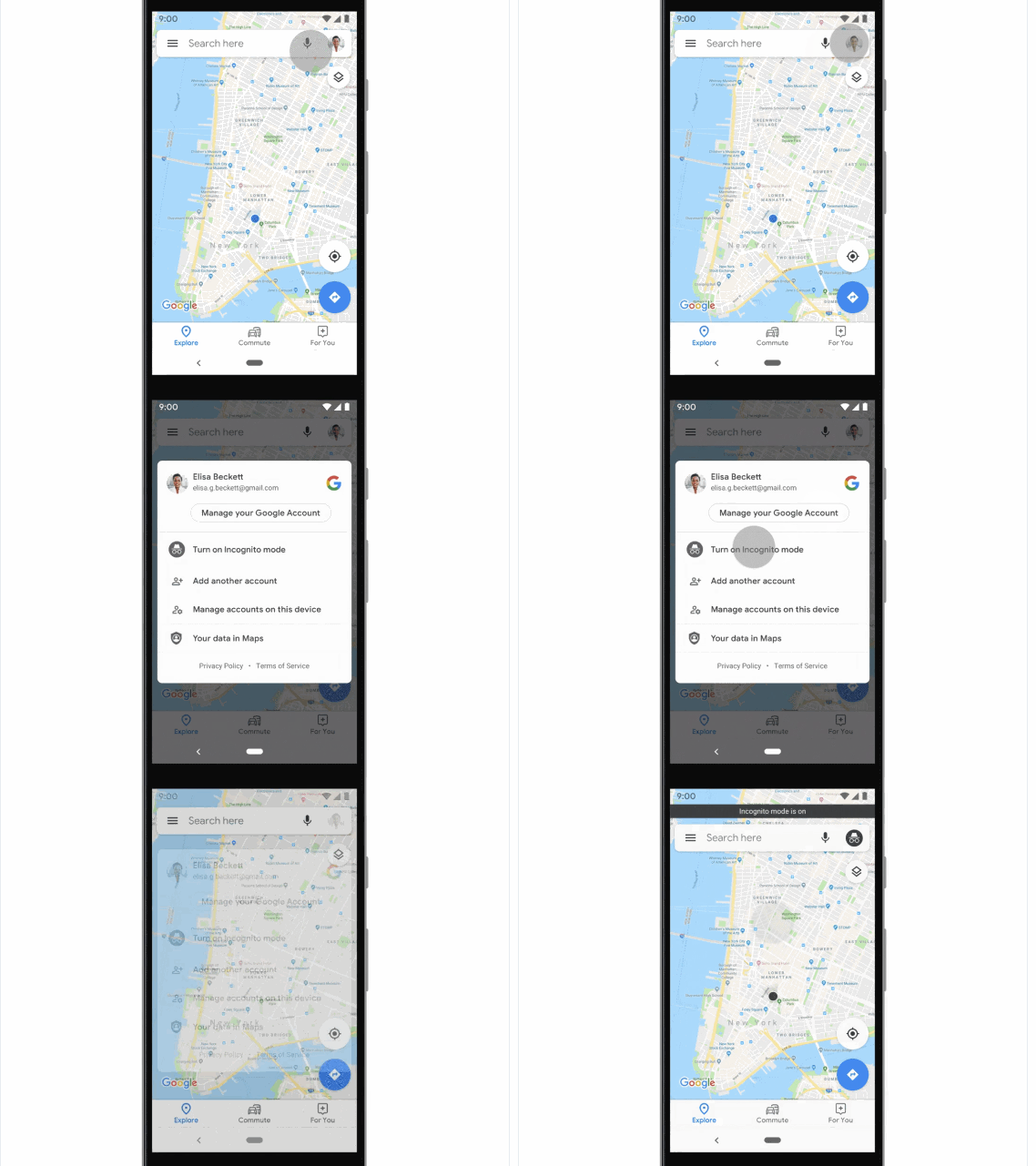
Being able to browse the web without leaving the usual local traces is a valuable tool for a lot of reasons, and now you can do the same thing in Google Maps. Incognito mode, announced today at Google I/O, prevents any movements or searches in Maps from being linked to your account or stored locally.

There are lots of reasons people might want to limit what their phone and Google account store when it comes to locations they look up or visit.

Take for example a person looking up nearby sexual health clinics. It’s a normal thing, but do you want it popping up on your “recently visited” list when you and a friend look up nearby happy hours?

Likewise someone who prefers to keep their visits to alcoholism support groups off the record, or a night out at a gay bar. Not everyone has the privilege of being able to be completely open about every aspect of their life.

It’s easy to turn on and turn off: Simply tap your profile picture in the top right, and in the few big options immediately presented should be incognito mode. Do the same thing to turn it off.

Note that this does not prevent your location from being logged by other entities by other means — for instance, your phone carrier will still know roughly where you are at all times because of how your device connects to its towers. And other apps and services that use location won’t be affected — for instance, if you have Incognito mode on, but then switch to a restaurants nearby type app, that app will be able to access your location freely.

Just as with privacy modes in web browsers, the protection this offers is limited but but some may be crucial. The feature should be rolling out to Maps users soon.

Android Q scores a system-wide ‘Dark Theme’

Google is bringing a system-wide dark mode to Android Q. It’s called Dark Theme and it’s exactly what you would expect, changing white page elements to solid black across the OS for friendlier night-time viewing.

You’ll be able to activate dark mode by tapping a dedicate tile in Quick Settings or it can be auto-triggered when you turn on battery-saver mode. The company says the mode “it will help you save battery,” highlighting how “Dark Theme” will fire up less pixels on your OLED device.

It looks like the theme will be coming to all of the first-party Android apps. Developers should be able to bring the functionality to their apps to easily trigger dark modes when Dark Theme is enabled.

Google acknowledged it was a small update, but that didn’t stop the crowd from whopping it up.

Android now has 2.5B users

At its I/O developer conference, Google today announced that Android now has over 2.5 billion users. That’s up from 2 billion the company announced two years ago.

This means overall Android growth remains on pace, though it’s not exactly accelerating. From September 2015 to May 2017, the company added about 400 million new users. It took another two years to add 500 million additional users.

Android remains the most popular mobile operating system, though over the course of the last few years, Google also invested in KaiOS, the outgrowth of Mozilla’s failed Firefox OS. We didn’t hear much about KaiOS at I/O so far, but there is a good chance that this platform will become more important over time as more users come online in developing countries, something Google is quite aware of.

Google Lens can translate foreign languages in photos and read the text back to you

Google is making some updates to its impressive visual translation tech from Google Translate and throwing it into Lens. You can snap a photo of a sign in a foreign language and it will translate it to your chosen language.

A version of this work was already visible inside the Google Translate app, but the latest demo brings some new functionality. You can tap a “listen” button and Lens will read the text out to you in the translated language and highlight what word it’s reading so you can follow along.

The Lens team has been working with early testers in India and is working to make the technology lightweight enough that it can run on less robust phones. Google said the tech stack is just 100 kilobytes. It’s currently available

No vague allusions on when this stuff is going to be released, but hey, that’s Google I/O.